
What Are the Seven Deadly Sins?
The seven deadly sins are a traditional Christian grouping of capital vices that can lead to other harmful patterns. They are pride, greed, lust, envy, gluttony, wrath, and sloth. The familiar seven-item list took shape in later Christian teaching, outside the biblical text.
The seven deadly sins and their meanings
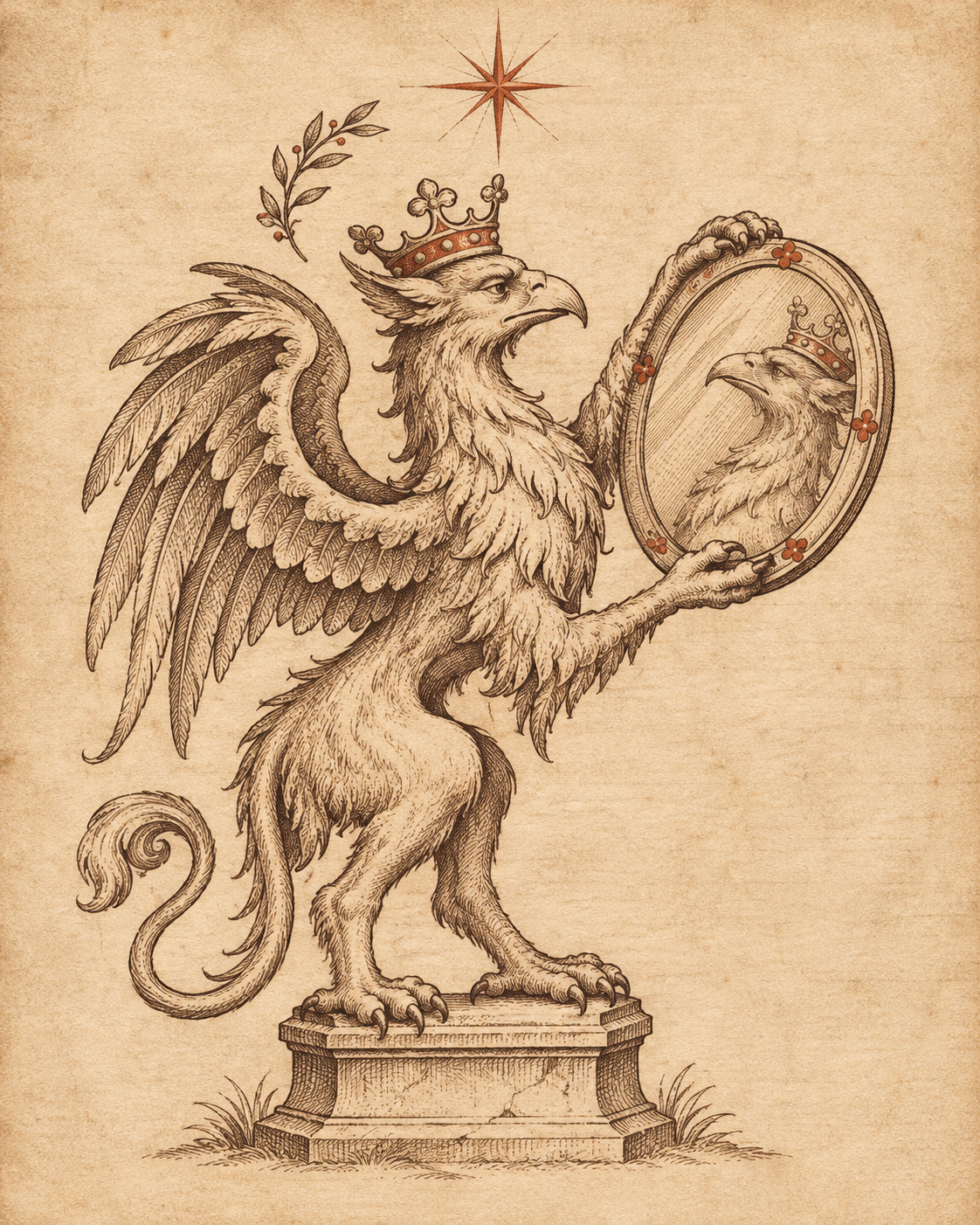
Pride
An excessive sense of your own importance or superiority.
Recognition, being right, or doing everything alone can matter more than you intend.
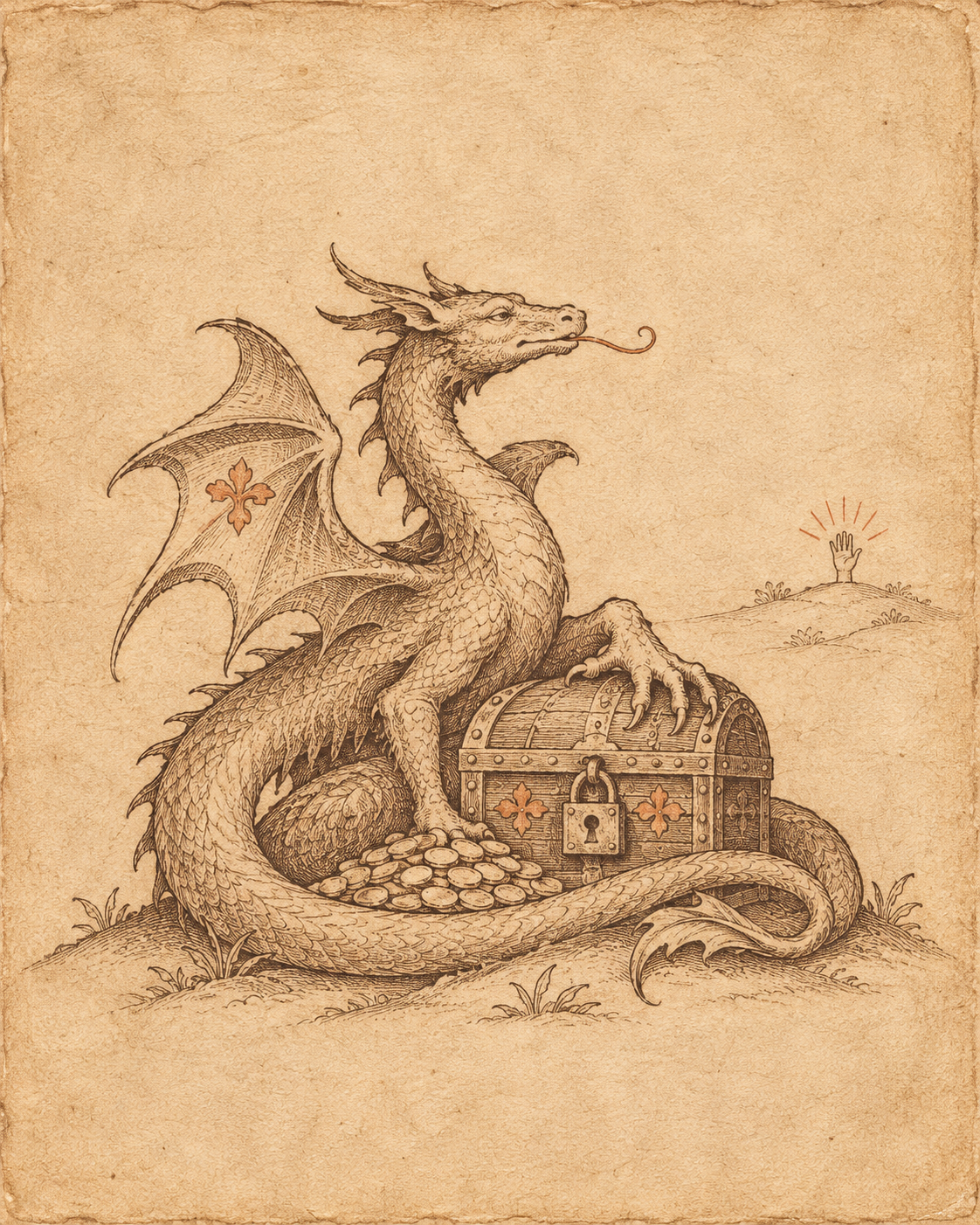
Greed
An excessive desire to acquire or keep wealth and possessions.
The next purchase, opportunity, or reward can keep calling even when you have enough.
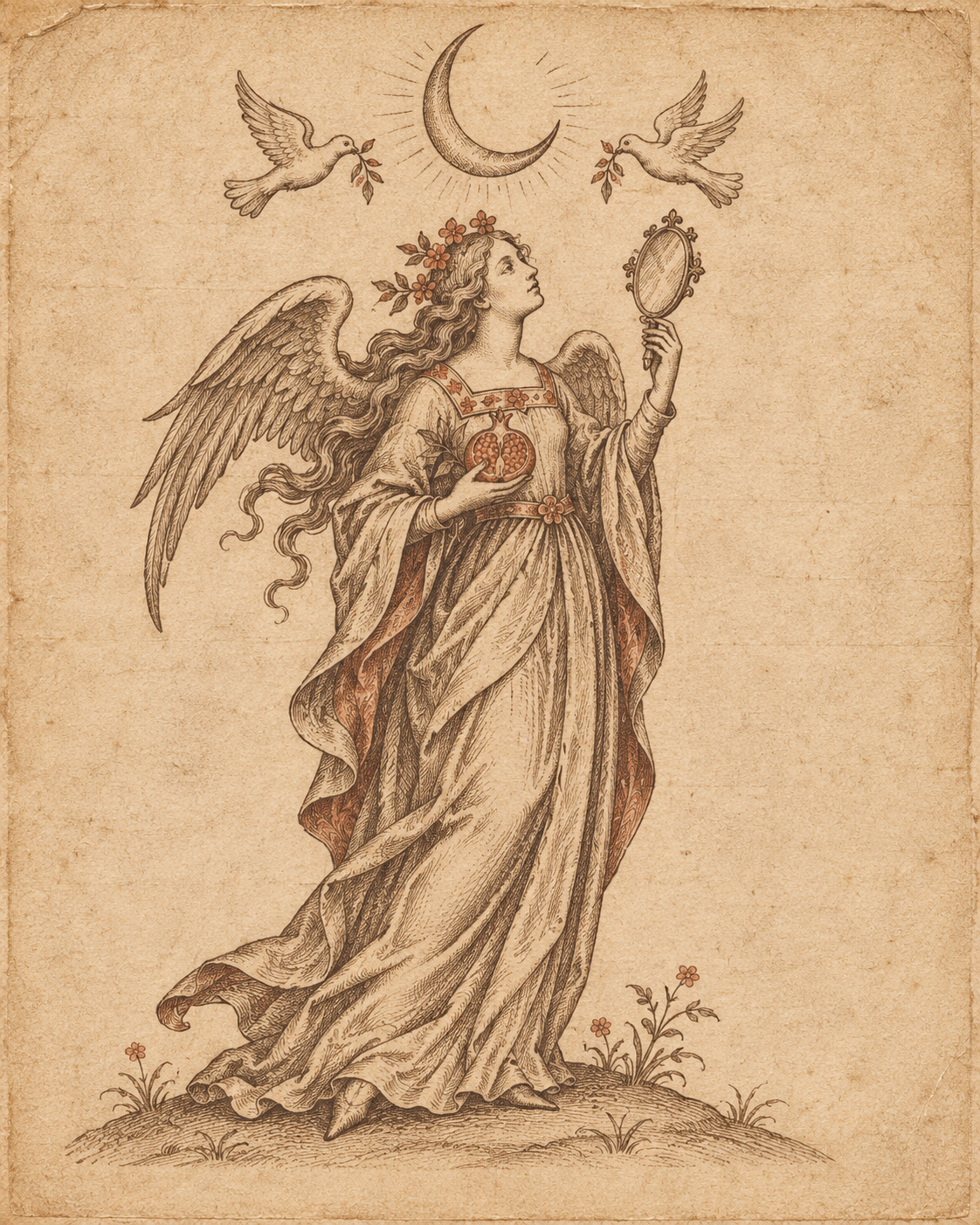
Lust · attention and novelty
Sexual desire pursued without due regard for others or your commitments.
Attention, novelty, and the next burst of pleasure can pull you away from the ordinary.
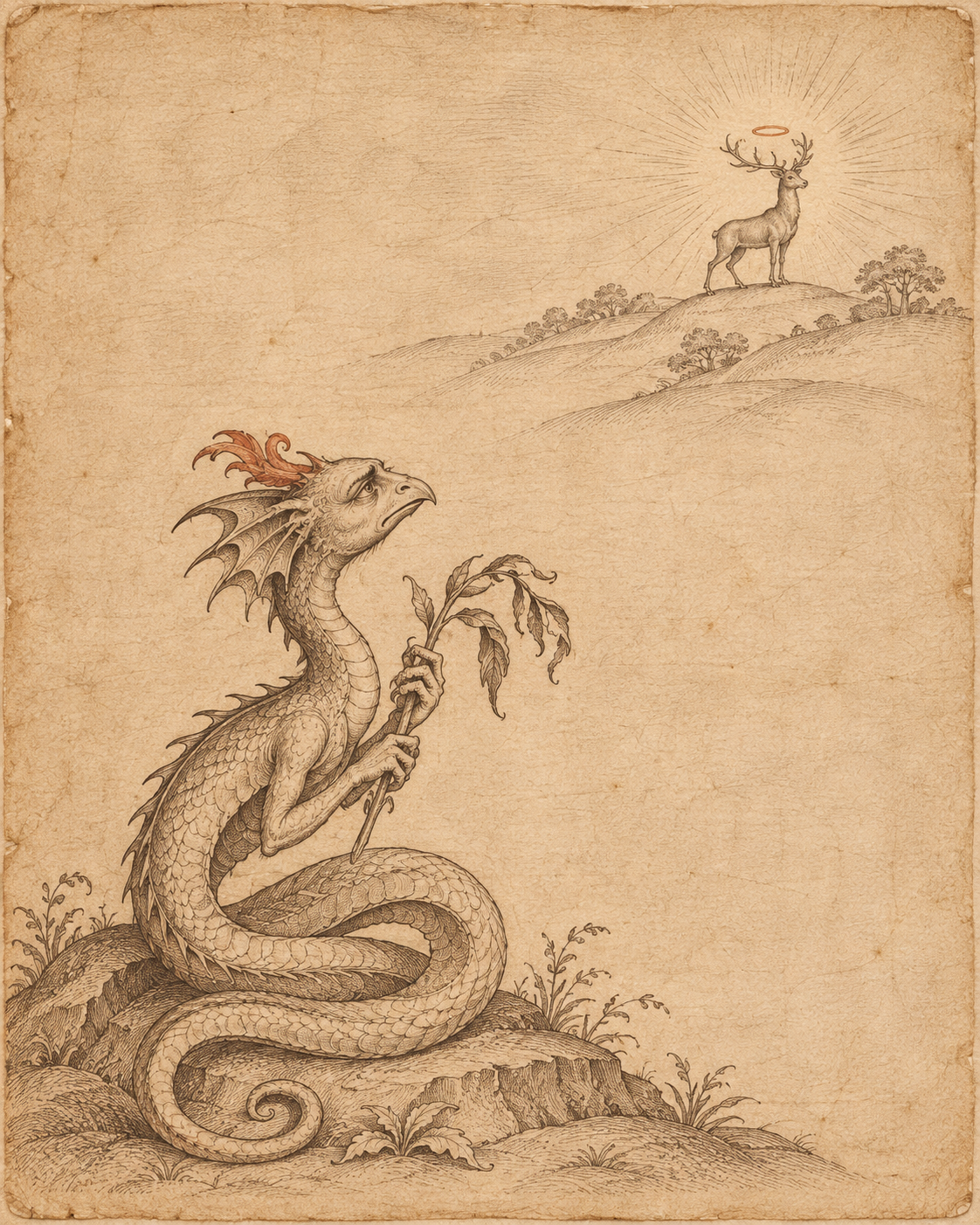
Envy
Resentment over another person’s good fortune or advantages.
Other people’s success can turn into a comparison before you have time to enjoy it with them.
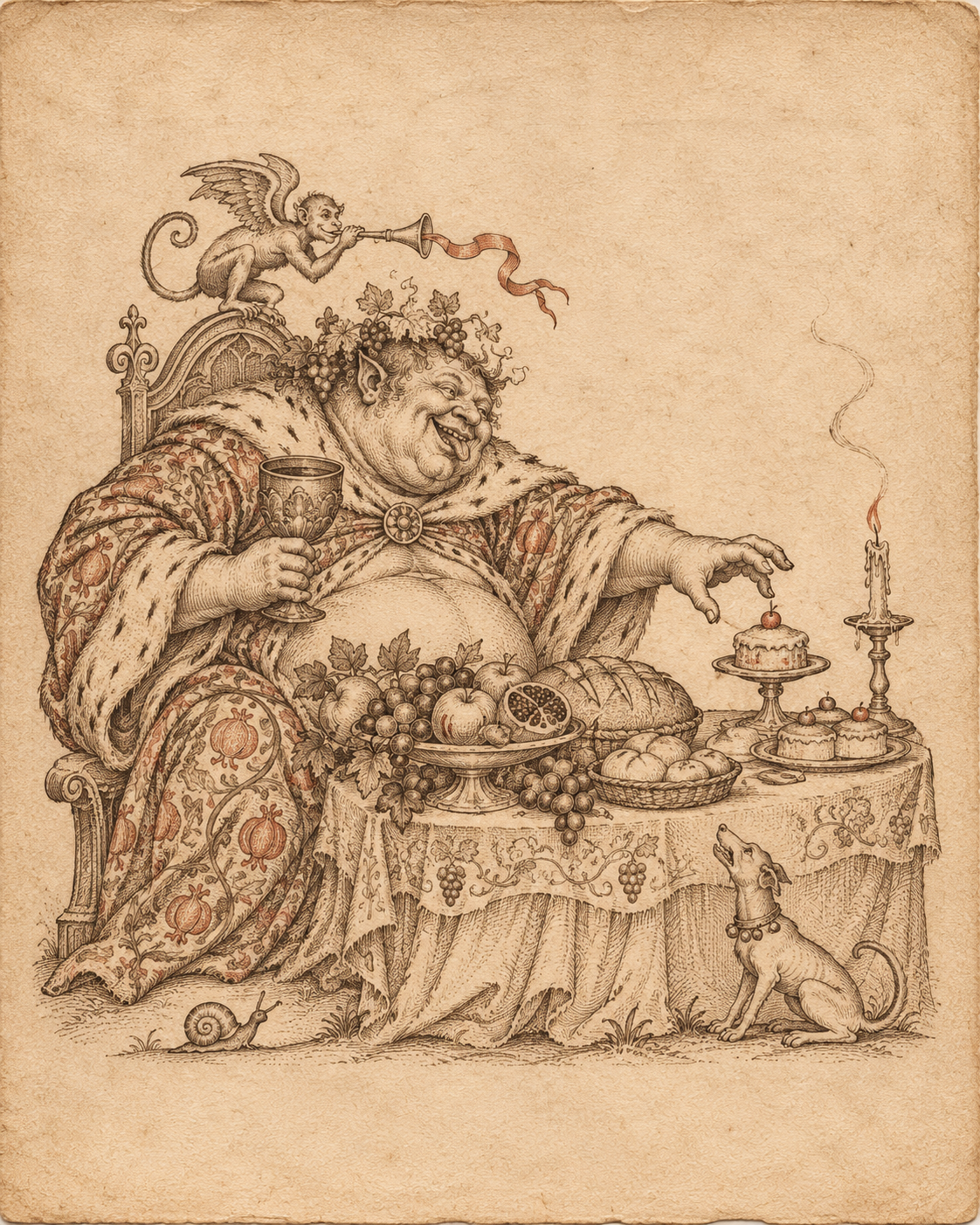
Gluttony
Overindulgence, traditionally in food or drink.
It can be hard to stop eating, watching, scrolling, or buying once you have started.
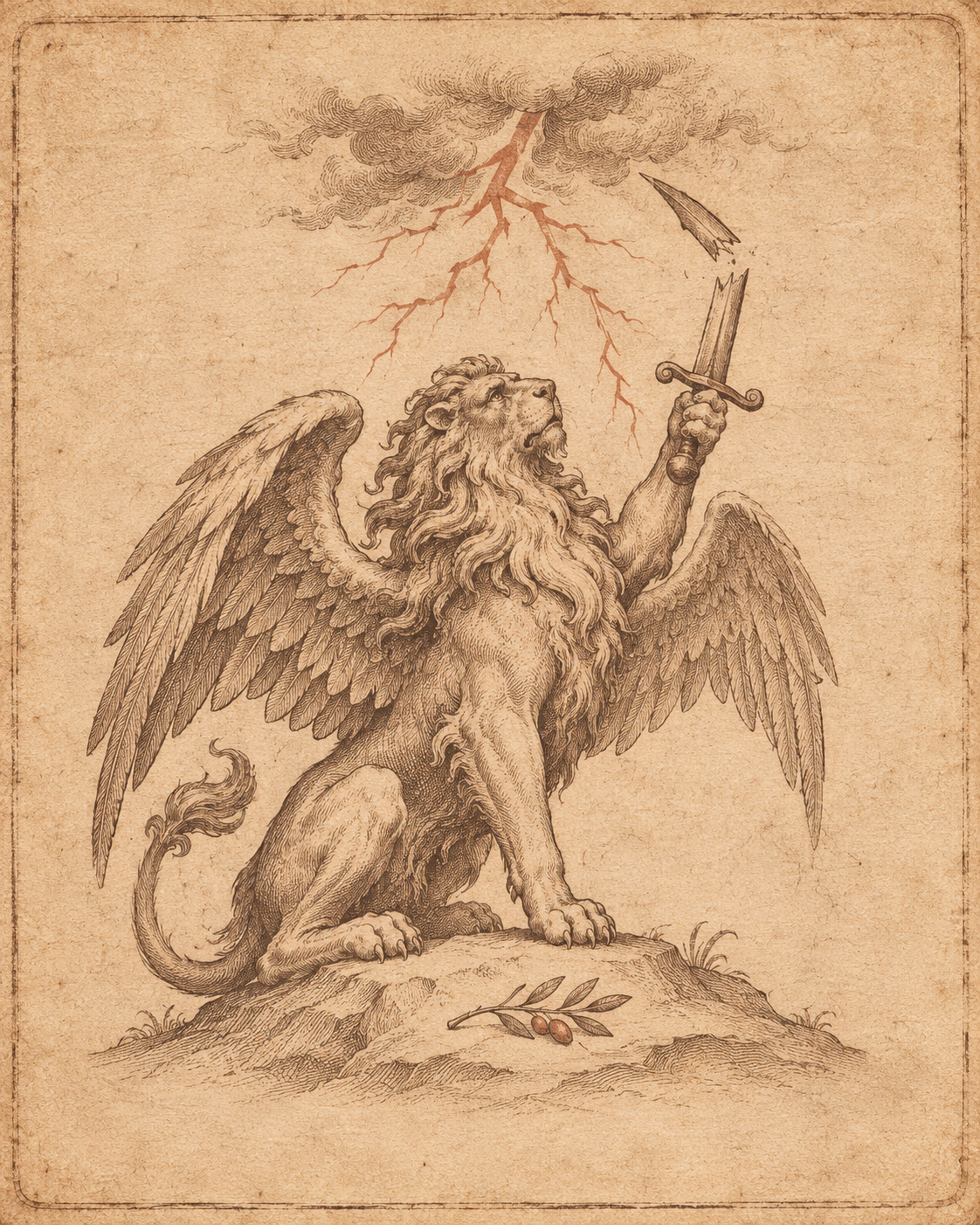
Wrath
Anger that turns destructive or seeks revenge.
Frustration can arrive quickly and linger long after the moment has passed.
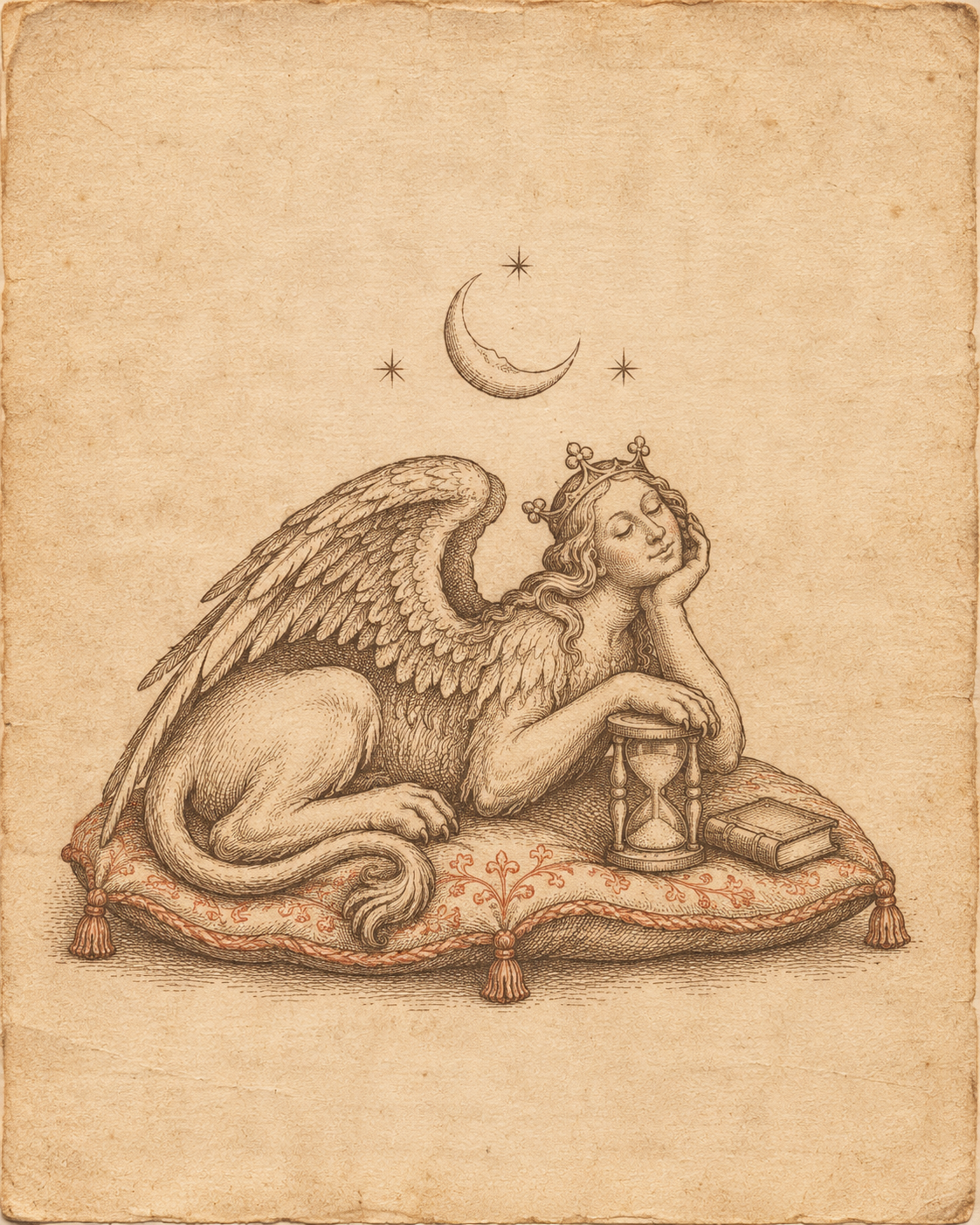
Sloth
Neglect of responsibilities or spiritual goods through indifference.
Getting started can feel harder than the task itself, even when it matters to you.
Browse the individual guides to the seven sins for more examples and practices.
Why are they called deadly or capital sins?
Christian writers called them capital vices because each can give rise to other faults. Envy, for example, can lead someone to spread a rumor. The word deadly refers to the danger these habits were understood to pose to a person’s spiritual life.
How the list developed
In the fourth century, the monk Evagrius Ponticus described eight recurring thoughts in the Praktikos. His list for monks included gluttony, sexual temptation, greed, sadness, anger, acedia (spiritual listlessness), vainglory, and pride. John Cassian carried a form of the list into Latin monastic communities. Gregory the Great later revised that tradition into a scheme of seven capital vices. Medieval writers and teachers continued to adapt the list and popularized it through sermons, art, and literature.
What can the seven sins look like today?
These examples illustrate how the old categories can describe familiar choices. The circumstances and the effect on other people matter.
- Pride
- Refusing to correct a mistake because admitting it would bruise your reputation.
- Greed
- Keeping more than your agreed share of a group payment.
- Lust · attention and novelty
- Ignoring someone’s stated boundaries while pursuing their attention.
- Envy
- Belittling a colleague’s promotion because you wanted it yourself.
- Gluttony
- Habitually taking more food than you can use while others are waiting for their share.
- Wrath
- Sending a humiliating reply to get even after a small disagreement.
- Sloth
- Repeatedly leaving a responsibility you agreed to take on for someone else to handle.
How do virtues relate to the seven sins?
Christian writers also described habits that could counter a vice. Humility can make it easier to admit a mistake, and generosity can help someone share what they have. The guide to the seven deadly sins and their corresponding virtues explains how the pairings have varied.
Frequently asked questions
- Does the Bible list the seven deadly sins?
- No. Proverbs 6:16–19 describes seven things the Lord hates, with only some overlap. The familiar list of capital vices took shape later in Christian teaching.
- Is there a standard order for the seven deadly sins?
- The order varies across sources. Many lists put pride first because some Christian writers saw it as a source of other vices.
- Are the seven sins personality types?
- The traditional list describes vices. Our seven deadly sins personality types guide uses the same names for informal patterns you can reflect on. You can also take the Seven Deadly Sins Test to explore which patterns stand out in your answers.