7 Deadly Sins Test

Which of the Seven Deadly Sins Are You?

Take our free 35-question Seven Deadly Sins personality quiz. Discover your dominant sin, explore all seven personality traits, and uncover your hidden side.

Your answers stay on this page

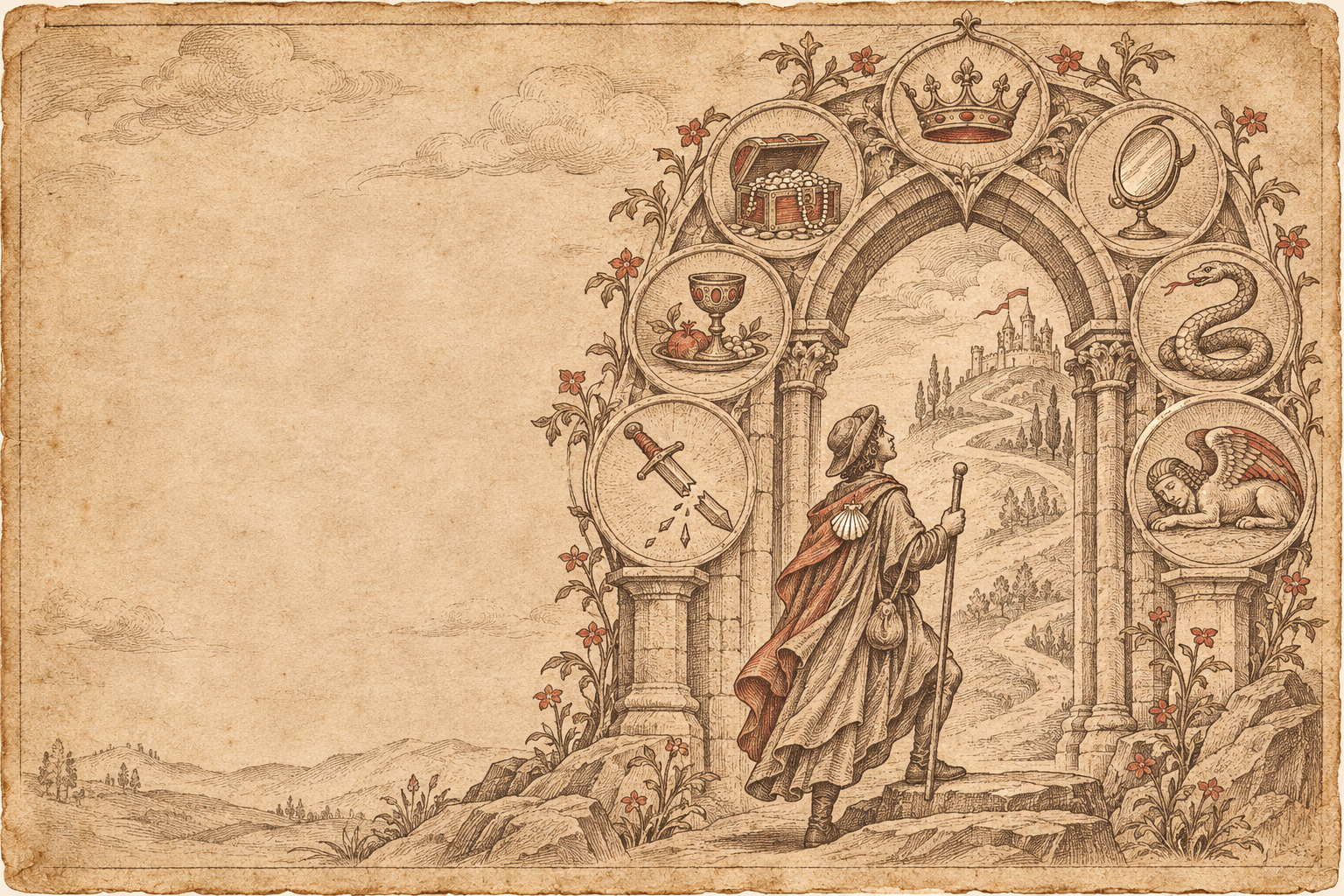
An engraved seven-part emblem for the 7 Deadly Sins Test

Your reflection

One statement at a time

Choose the answer that best describes your usual pattern. There are no right or wrong answers.

PrideQuestion 1 of 35

01

I usually assume I can do a task better than most people around me.

Choose one answer

A private browser quiz

What this 7 Deadly Sins Test can show you

The 7 Deadly Sins Test turns a familiar set of names into a practical self-reflection exercise about ordinary choices. Instead of placing you in a fixed personality type, it asks how often seven everyday patterns appear in your own life: recognition and self-image, wanting more, attention and novelty, comparison, consumption, frustration, and getting started. The point is not to judge a virtue or expose a flaw. It is to give you language for noticing what has been taking up space in your decisions.

You answer 35 short statements, with five questions for each dimension. Four items count in the direct direction and one is reverse-scored, so every dimension receives a separate score from 0 to 20. The 7 Deadly Sins Test calculates that profile in your browser and gives you a calm reading of the strongest signals. A higher score means the pattern appeared more in this session; it is not a percentage, a ranking, or a diagnosis.

Example result

Wrath

Frustration can arrive quickly and linger long after the moment has passed.

Counter-virtue · Patience

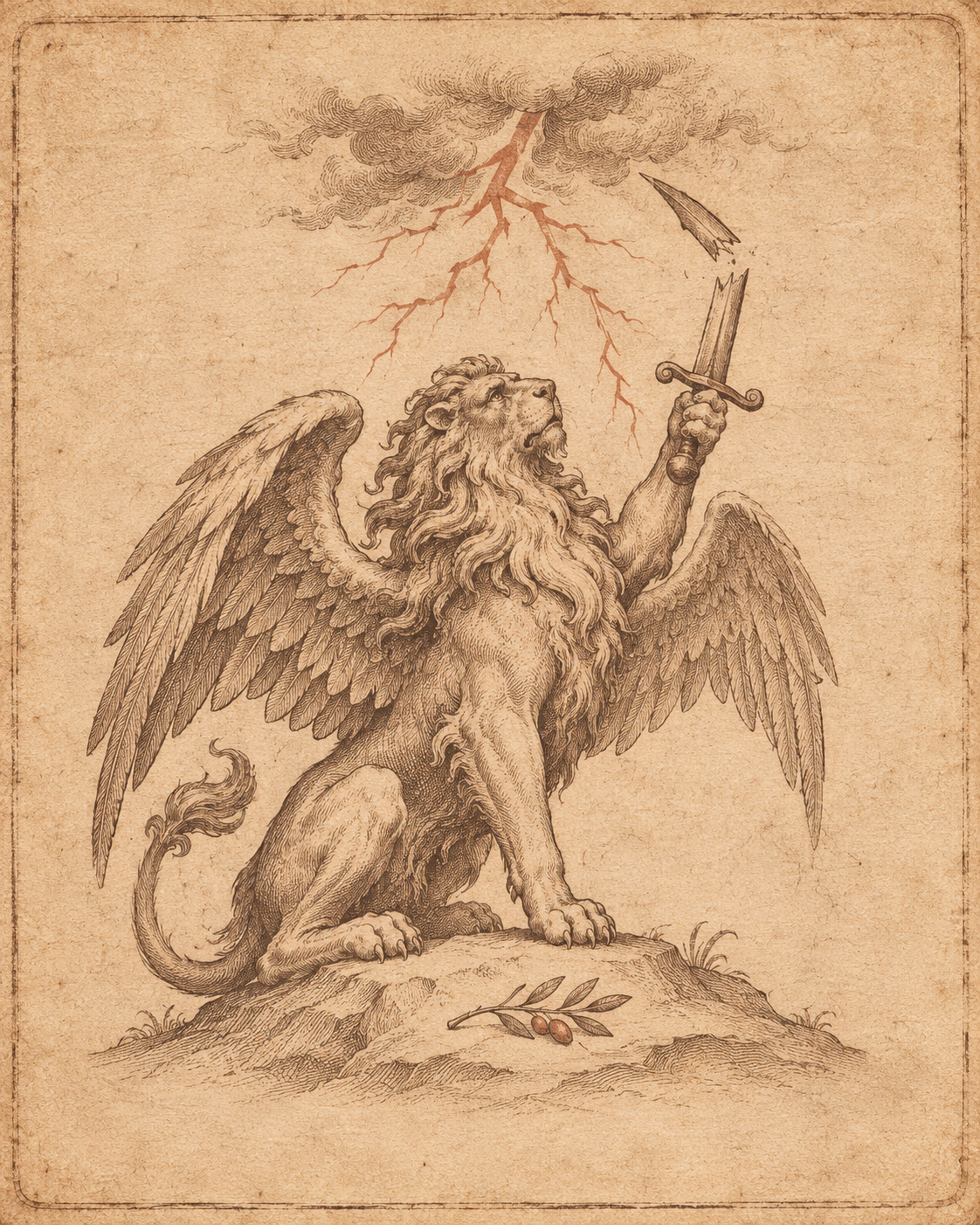
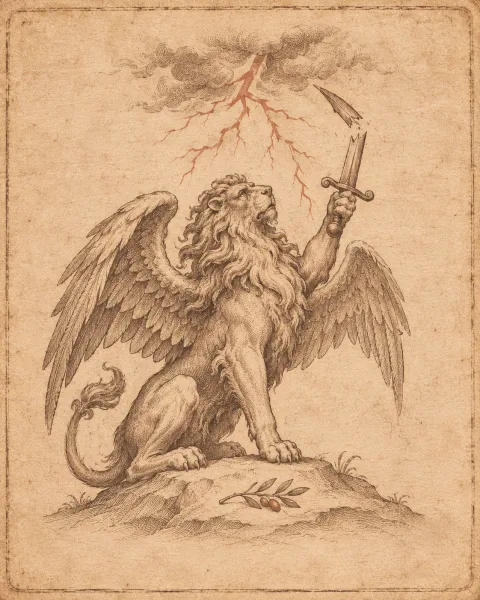
Engraving of a winged lion raising a sword

All seven dimensions

  • Wrath70%
  • Lust60%
  • Envy60%
  • Gluttony50%
  • Greed45%
  • Sloth40%
  • Pride35%

Seven everyday patterns

Explore all seven dimensions

Open a card to see the everyday pattern, its useful side, and one small practice. Read the full guide when you want the longer story; these are reflection prompts, not fixed personality types.

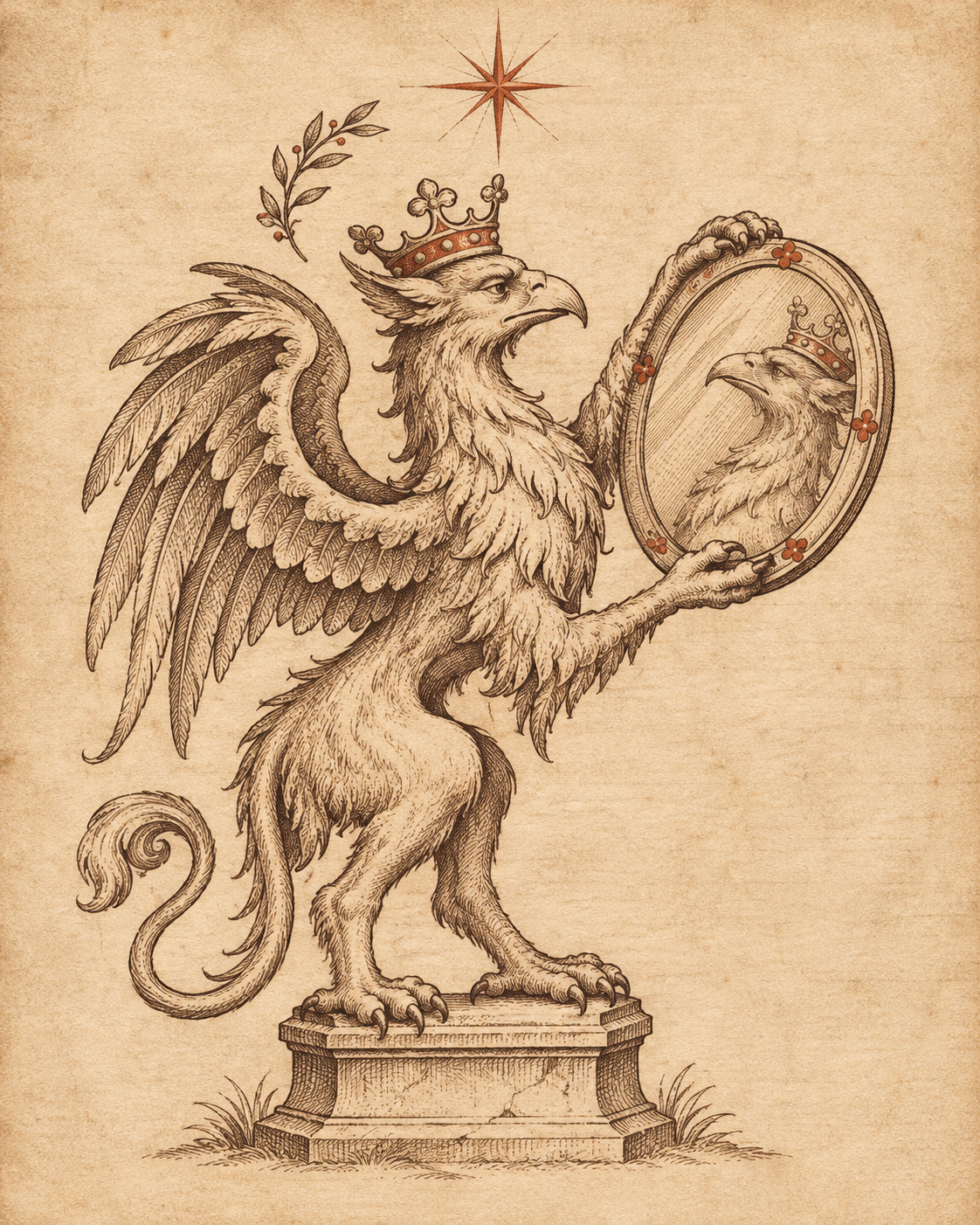
Pride engraving for the 7 Deadly Sins Test01Humility

Pride

Recognition, being right, or doing everything alone can matter more than you intend.Explore this dimension

How it may show up: This pattern often centers on recognition and the wish to be capable. You may feel most activated when your work is overlooked, your judgment is questioned, or you have to rely on someone else. Its useful side is ownership; its edge is turning every difference into a test of worth.

A small practice: In one conversation this week, ask a curious question before offering your solution, and let another person lead one small task.

Read the full guide
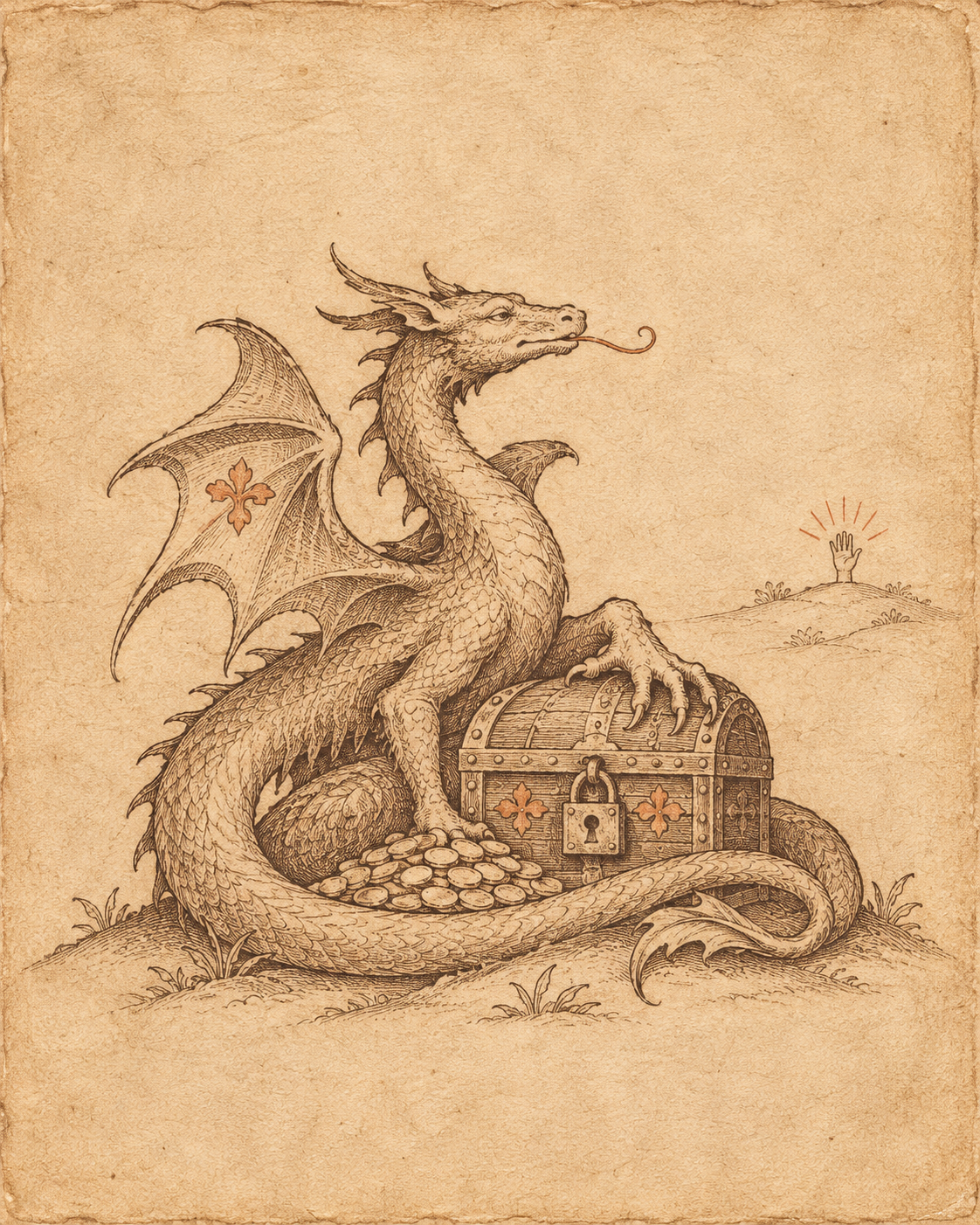

Greed engraving for the 7 Deadly Sins Test02Generosity

Greed

The next purchase, opportunity, or reward can keep calling even when you have enough.Explore this dimension

How it may show up: This pattern is about security, possession, and the feeling that a little more will make the future safer. You may compare shares, keep score, or stay alert for the next advantage even after your needs are met. Its useful side is planning; its edge is making abundance feel like a moving finish line.

A small practice: Choose one small thing you can share this week—time, attention, or a useful resource—and give it without keeping score.

Read the full guide
Lust · attention and novelty engraving for the 7 Deadly Sins Test03Restraint

Lust · attention and novelty

Attention, novelty, and the next burst of pleasure can pull you away from the ordinary.Explore this dimension

How it may show up: This pattern tracks how strongly attention, novelty, and anticipation pull you. A fresh experience or a sign that someone notices you may quickly change the mood of an ordinary day. Its useful side is curiosity; its edge is abandoning what matters as soon as the first spark fades.

A small practice: When a new thrill or purchase grabs you, pause for ten minutes and decide again after the first wave has passed.

Read the full guide
Envy engraving for the 7 Deadly Sins Test04Gratitude

Envy

Other people’s success can turn into a comparison before you have time to enjoy it with them.Explore this dimension

How it may show up: This pattern appears when another person’s progress becomes a mirror for your own hopes. Their wins may highlight a goal you want, a timing you regret, or a gap you are afraid others can see. Its useful side is information about your values; its edge is mistaking someone else’s chapter for a verdict on yours.

A small practice: When comparison stings, name one thing you admire about the other person and one next step that belongs to your own goal.

Read the full guide
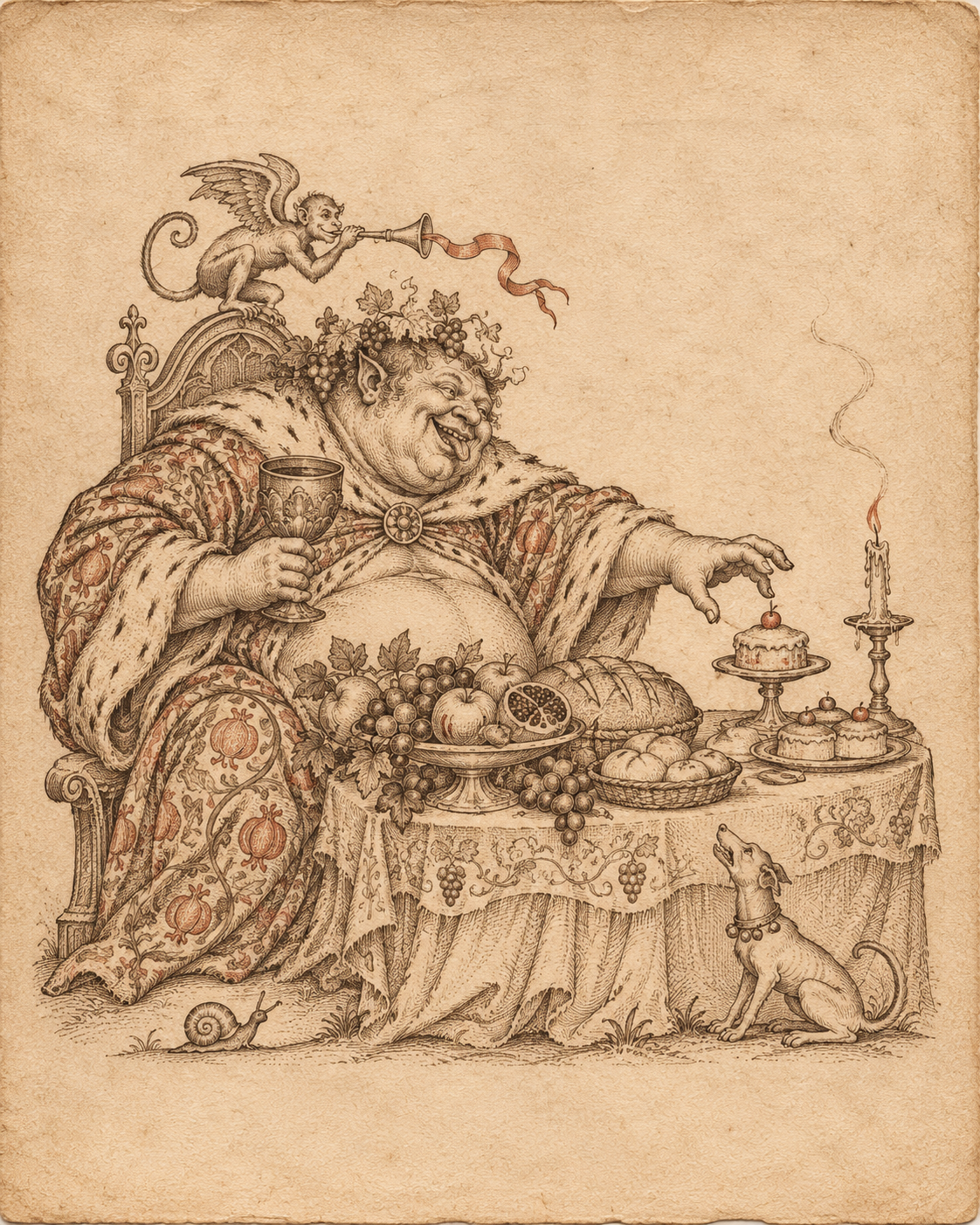
Gluttony engraving for the 7 Deadly Sins Test05Temperance

Gluttony

It can be hard to stop eating, watching, scrolling, or buying once you have started.Explore this dimension

How it may show up: This pattern is about continuing a pleasant input after it has stopped giving the same return. Food, entertainment, shopping, and scrolling can all become ways to soften boredom, tiredness, or an uncomfortable feeling. Its useful side is enjoyment; its edge is losing the moment when enjoyment quietly becomes autopilot.

A small practice: Before starting a treat or a show, choose the amount or stopping point you want, then check how it feels when you get there.

Read the full guide
Wrath engraving for the 7 Deadly Sins Test06Patience

Wrath

Frustration can arrive quickly and linger long after the moment has passed.Explore this dimension

How it may show up: This pattern tracks the speed and staying power of frustration. A blocked plan, an unfair moment, or a careless message may keep replaying after the practical problem is over. Its useful side is a strong sense of boundaries; its edge is letting the first wave choose the words or decisions that follow.

A small practice: Before replying to a frustrating message, take one slow breath and reread it once. Keep the point; soften the first sentence.

Read the full guide
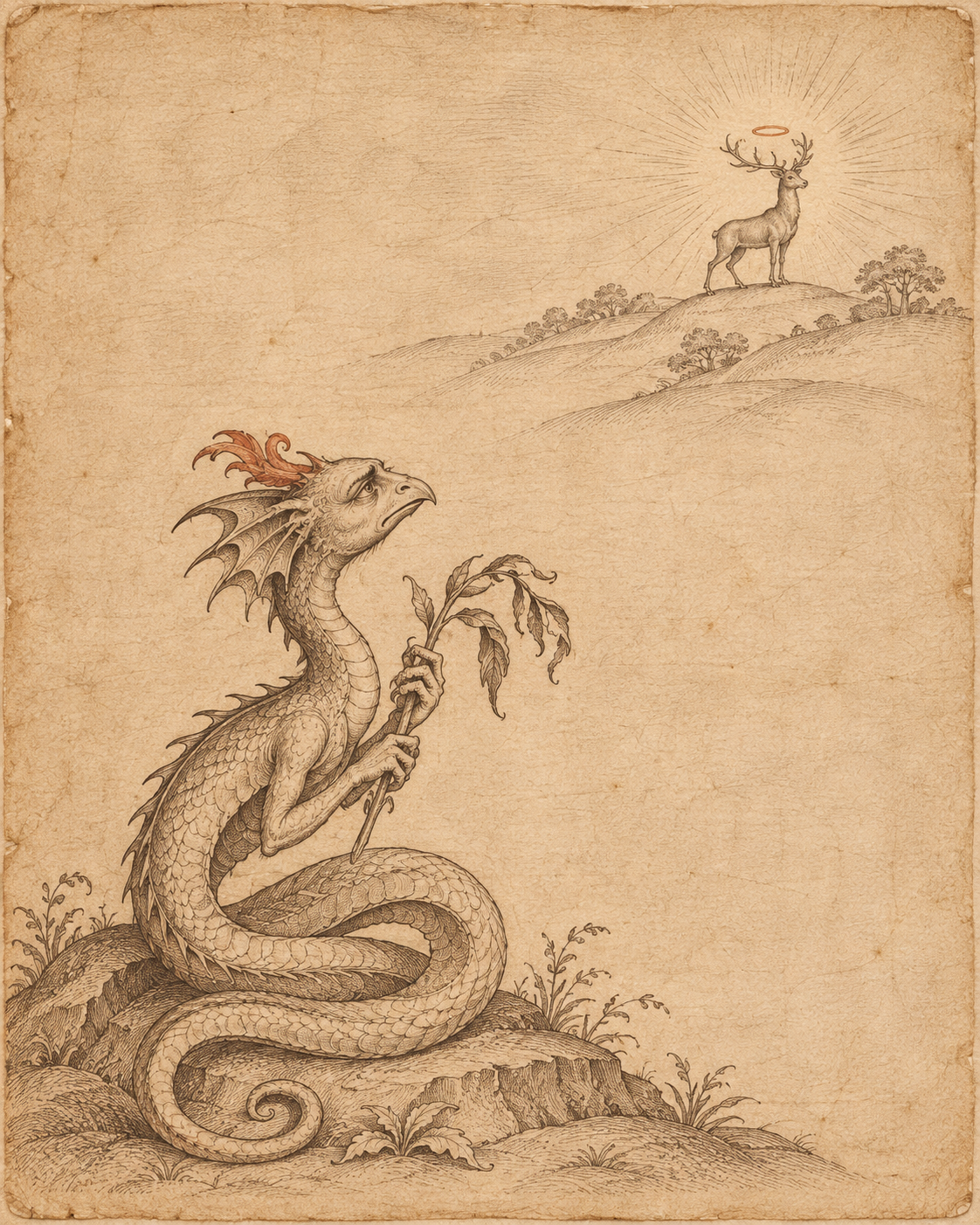
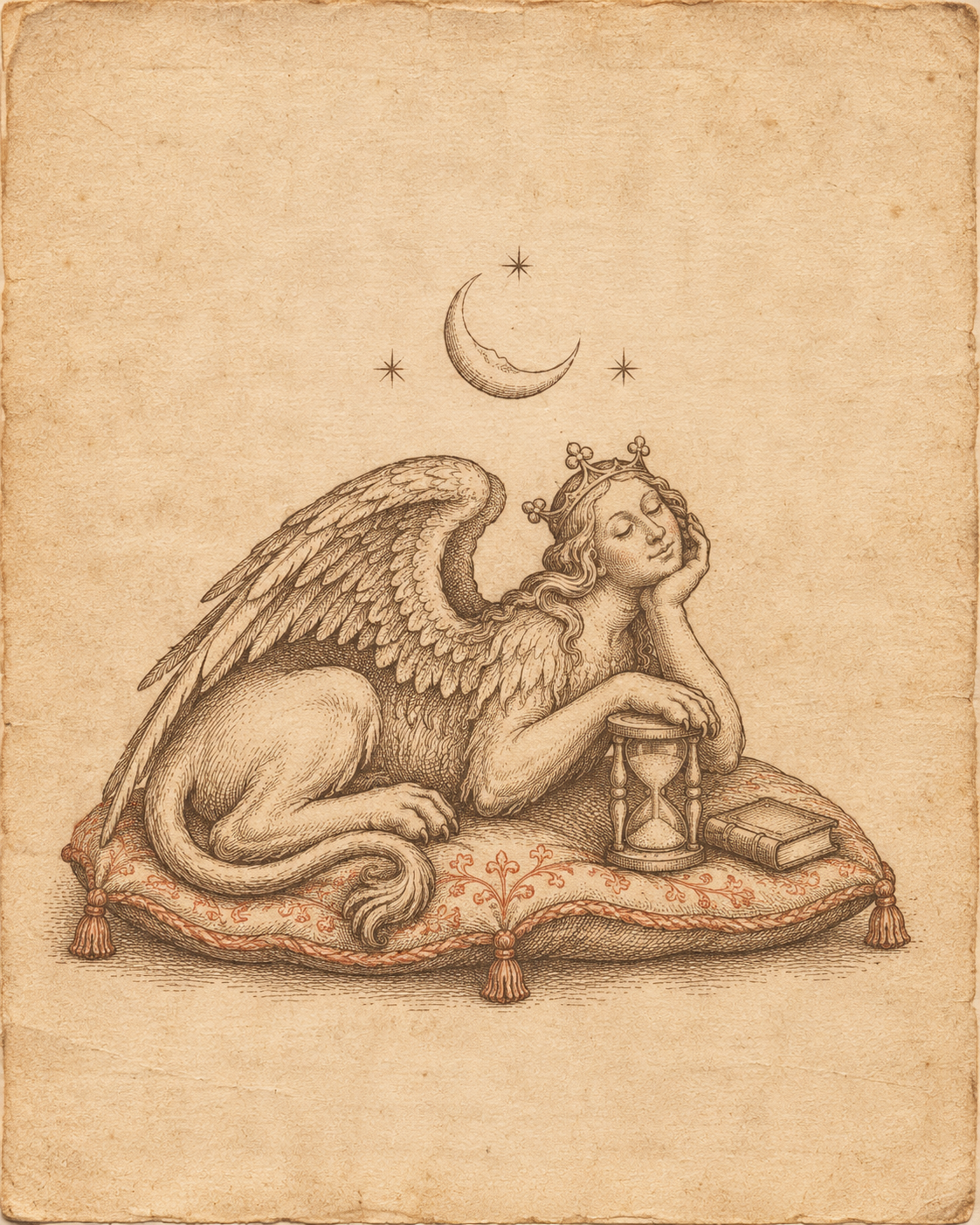
Sloth engraving for the 7 Deadly Sins Test07Diligence

Sloth

Getting started can feel harder than the task itself, even when it matters to you.Explore this dimension

How it may show up: This pattern shows up in the distance between intending to act and taking the first step. Waiting for the right mood, choosing the easiest route, or protecting a quiet day can make meaningful tasks feel heavier. Its useful side is knowing how to rest; its edge is letting recovery become a permanent postponement.

A small practice: Pick one task you have delayed, set a five-minute timer, and work only until it rings. Starting is the whole goal.

Read the full guide

Scoring & privacy

How the 7 Deadly Sins Test works

The seven dimensions are inspired by the traditional seven sins and their counter-virtues, translated into everyday tendencies. Scores do not measure character or mental health.

01

Five-point response scale

Each statement uses a scale from strongly disagree (0) to strongly agree (4). Every dimension has five items and a score from 0 to 20.

02

Reverse-scored items

One item in each dimension is phrased in the opposite direction. Its score is calculated as 4 minus your selected answer, helping check whether responses are consistent.

03

Your answers stay on this page

Quiz answers are kept in page memory while you take the test. They are not sent to a server or saved by this quiz. Refreshing or closing the page clears them.

Before you begin

How to get a more useful 7 Deadly Sins Test result

The best answers are not the most flattering ones. They are the answers that describe your usual week with enough honesty to give the result something real to reflect back.

01

Answer the ordinary version of you

Think about your normal choices over the last few weeks, not your best day or your worst day. If a statement feels true sometimes and false at other times, choose the response that matches the pattern you notice most often.

02

Use the full scale

Strongly disagree, disagree, neutral, agree, and strongly agree each mean something different. You do not need to avoid the middle or force a dramatic answer. A measured response can still produce a meaningful profile.

03

Read the whole profile

When you finish the 7 Deadly Sins Test, look at all seven scores before focusing on the highest one. A tied result or a balanced profile is useful information too, and no score is a verdict about who you are.

Using the test on a phone or computer

The 7 Deadly Sins Test runs in a modern browser on a phone, tablet, or desktop. You do not need an account to answer the questions. Keep the page open while you work; refreshing or closing it clears the current answers because the quiz keeps them in active page memory.

A reflection tool, not a clinical label

This 7 Deadly Sins Test is not a medical, psychological, or religious assessment. It does not measure mental health, faith, morality, or your worth. Use the result as a prompt for a conversation or a small experiment, and seek qualified support for concerns that need more than a short online exercise.

A brief history

How the seven-sins tradition took shape

The familiar list developed over centuries rather than appearing all at once. In the fourth century, Evagrius Ponticus wrote about eight recurring thoughts in monastic life. John Cassian carried that framework into Latin monastic communities, and Gregory the Great later revised the tradition into a system of seven capital vices. Medieval writers continued to debate how vices related to virtues; the pairings used today are not one universal, fixed set. This quiz borrows the traditional names as a secular way to reflect on everyday habits, not as a religious assessment.

Common questions

7 Deadly Sins Test FAQ

A few details about the questions, scoring, privacy, and what your result can tell you.

What is the 7 Deadly Sins Test?

It is a free browser quiz with 35 original statements about seven everyday behavior patterns. You receive seven separate scores and a short reflection for your leading dimension or tied leaders.

Is this quiz about the Seven Deadly Sins anime?

No. This is an independent self-reflection quiz inspired by the traditional names of the seven sins. It is not about or affiliated with the anime series.

How are the seven scores calculated?

Choose a value from 0 to 4 for each statement. Each dimension has five items; four count directly and one is reverse-scored as 4 minus your answer. The five values add to a score from 0 to 20. There is no combined total.

What does a high score mean?

It means you agreed more with that dimension’s statements than with the others in this session. Scores are compared within your own answers; there are no population norms, ranking of people, or “good” and “bad” score bands.

Is this a psychological or clinical assessment?

No. The questionnaire is an original self-reflection exercise, not a validated psychological instrument, diagnosis, or substitute for professional care.

Are my answers stored or sent anywhere?

The quiz keeps answers in the active page’s memory while you respond. It does not send answer values to a server or save them in browser storage. Refreshing or closing the page clears them.

How long does the test take?

The 35 short statements take only a few minutes for most people. You can pause to think and move back to edit an earlier answer before viewing your result.

Do I need religious knowledge to take it?

No. The names come from a historical Christian tradition, but this quiz uses them as everyday reflection themes and does not measure faith or religious practice.

Can I share or compare my result with a friend?

There is no built-in share card or result link. You can compare profiles by viewing your results together; quiz answers remain in each person’s own page and are not uploaded.

Can I take the 7 Deadly Sins Test on my phone?

Yes. The quiz is designed to work in a modern mobile browser as well as on a desktop. Keep the page open until you finish because the active session is where your answers are held.

What happens if I refresh the page?

The current answers are cleared when you refresh, close, or leave the page. The quiz does not save answer values to browser storage, so start again only when you are ready to complete a fresh session.

How should I use my 7 Deadly Sins Test result?

Read it as a set of prompts about this session, not as a permanent label. Notice which explanation feels useful, try one small practice, and retake the quiz later only if you want to compare a new set of answers.